
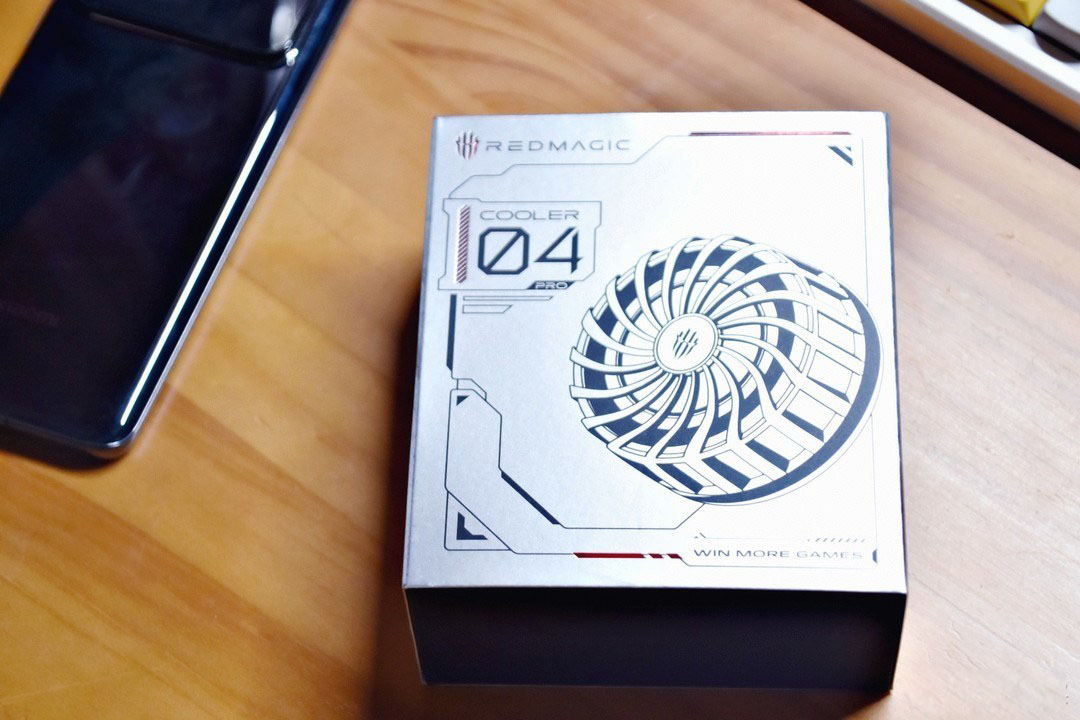
phone overheating
-
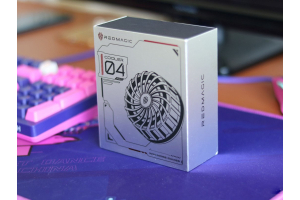
This guide breaks down the key factors for choosing a mobile game cooler: cooling power, TEC chip area, noise control, and anti-condensation thermal design. It explains the difference between passive air cooling and active semiconductor cooling, highlights common buying mistakes, and reviews the flagship RedMagic Cooler 8 Pro—a 36W, 1640mm² TEC cooler with AI thermal control and 36dB noise output—helping gamers and streamers find the right solution for their needs and budget.Read more
-
Read more
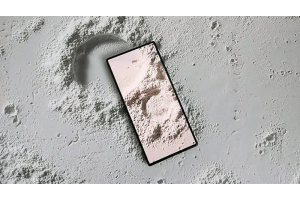
Now the picture quality of large mobile games continues to upgrade, running at high frame rate and full picture quality for half an hour, the phone will quickly heat up, which then triggers frequency reduction, frame drops, and even touchscreen disconnection problems. In summer outdoors or when playing while charging, this situation will be more serious. Many players have started to buy mobile game coolers to cool down, but many people find after buying them that either the cooling effect is poor and cannot suppress the temperature, or the noise is too loud and affects gaming sessions, and condensation water can easily damage the phone. Choosing the right product requires first clarifying the core logic, and one cannot blindly follow trends.
Currently, the mainstream mobile game coolers are mainly semiconductor cooling models, and the core working principle is that electricity is applied to TEC semiconductor chips to generate a temperature difference, which conducts the heat from the back
-
With the improvement of mobile phone technology and the enrichment of shooting techniques, mobile phone video shooting has become an indispensable part of people's daily life and social interaction.Read more
-
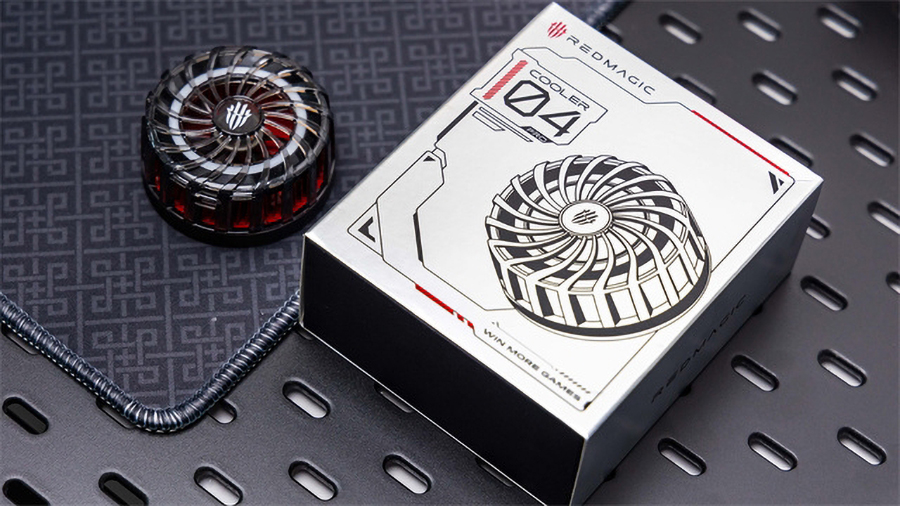
Is your phone still overheating? The cold winter has passed, and the temperature is slowly rising, but the phone seems to know in advance and quickly begins to heat up.Read more